A Brief History
The history of New South Wales Government Railways (NSWGR) steam locomotives spans from the beginning of railway operations in 1855 until the end of regular mainline steam haulage in the early 1970s.
In 1855, the first four locomotives, No. 1 through 4, 0-4-2 mixed traffic engines, were imported from England, reflecting early British engineering influence. More than 100 locomotives continued to be imported from England, with number 105 being the first locomotive imported from the USA in 1877.
The first locally built locomotives were built by the NSWGR facility in Eveleigh in 1876-1877.
A summary appears below. Click on the image for more detailed information.
Numbering
First Locomotives (1855): The first locomotives were numbered in the order they entered service, starting with No. 1. As the Northen Section of the railway was isolated from the main Sydney section, locomotives allocated to the Northern Section, the letter “N” was added as a suffix to the road number.
1855 to 1899 : The first locomotives were numbered in the order they entered service, starting with No. 1 and continuing on. For each new locomotive type ordered, the first locomotive number of that type become the class number.
1890 to 1924 : A letter was added to the road number (e.g., “A. 93-class” or simply “P class”). This was based on the first locomotive number in a class, and initially in alphabetic order, based on the largest number of locomotives of that class in service.
From 1924 : A four-figure numbering system was introduced, with the first two digits indicating the class (e.g., 32 Class, 50 Class) and the next two digits being the locomotive number within the class, allocated in order based on the date of commencement of service.
1924 Numbering Scheme Letter Prefixes
Additional to the four figure numbering, a letter was added for administrative purposes, to denote the number of driving axles. The letter meanings are as follows :
C – Three Driving Axles 6 driving wheels (e.g., 4-6-0, 4-6-2)
D – Four Driving Axles 8 driving wheels (e.g., 2-8-0, 4-8-2)
Z – Old Classes Various (e.g., 4-4-0, 0-6-0) – Obsolete/Lesser Duties
X – Miscellaneous/Duplicates Various (Shunters, Cranes, etc.)
AD – Articulated Two articulated sets of four driving axles (4-8-4+4-8-4)
Examples of the letter prefixes are C38 Class (4-6-2 Pacific), D57 Class (4-8-2 Mountain), Z12 (Old Passenger), X10 Class (Shunters and Cranes), AD60 Class.
1 Class
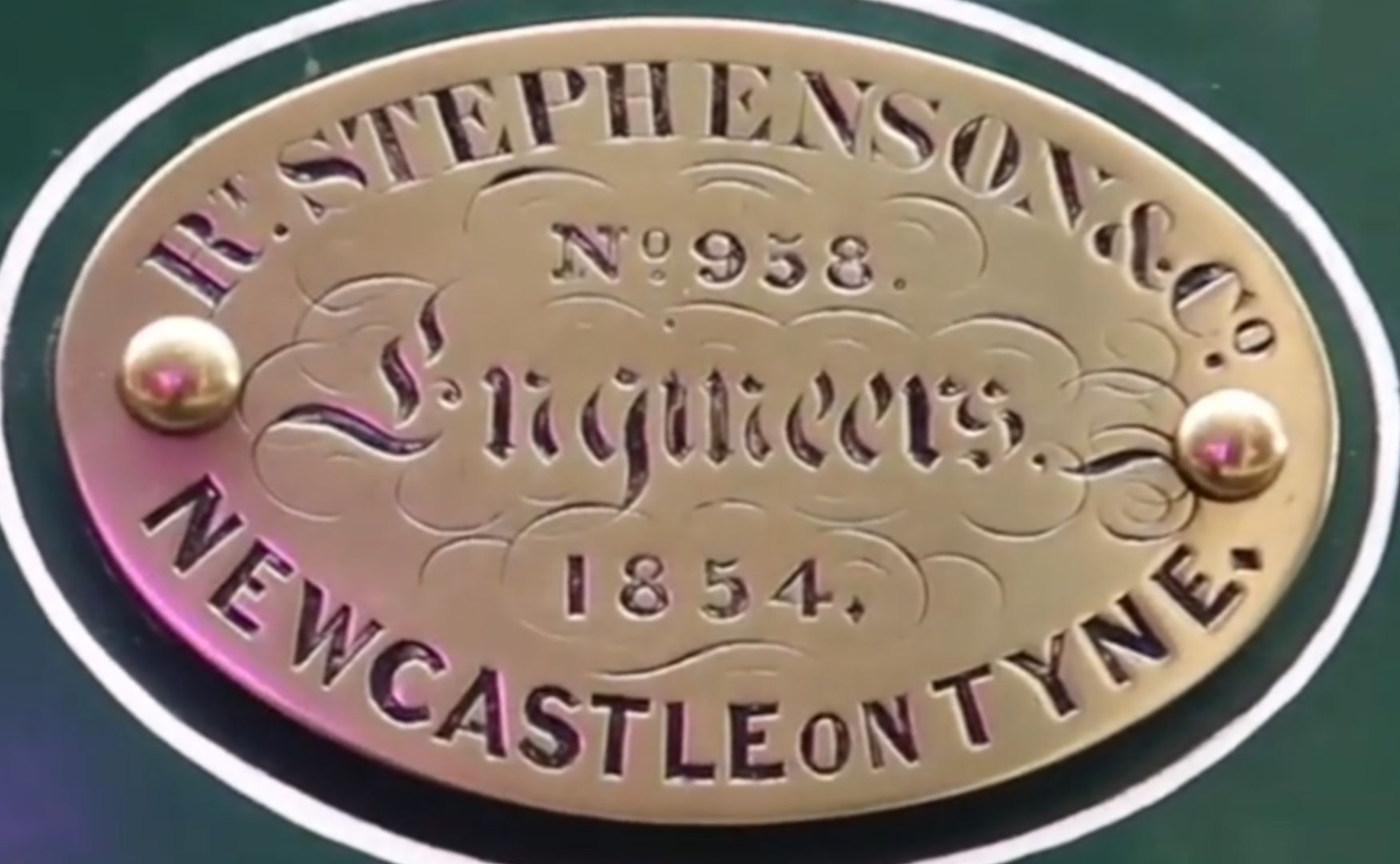
Locomotive No. 1 holds a foundational place in the history of the New South Wales Government Railways (NSWGR) as the first locomotive to operate in the colony (later state) of New South Wales.
Preservation: It was withdrawn from service in 1877 and presented to the Museum of Applied Arts and Sciences (later the Powerhouse Museum) in 1884, making it an early example of railway preservation. Locomotive No. 1 has now been in the collection for more than a century and is one of the most significant objects relating to the history of New South Wales.
Type : 0-4-2 “Stephenson” Type
Builder : Robert Stephenson and Company, Newcastle upon Tyne, England
5 Class
This was the second class of locomotive introduced to the NSW Railways in 1956, following the 1 Class.
The 5 Class locomotives consisted of the locomotives numbered 5, 7, 12 and 16.
Type : 0-4-2 Mixed Traffic
Builder :
6 Class
The 6 Class of locomotive introduced to the NSW Railways in 1956.
The 6 Class locomotives consisted of the locomotives numbered 5, 7, 12 and 16.
Type : 2-2-2 Passenger
Builder :
What we collect
- NSW Rail Items – Private Collection
- NSW Passenger Cars – Currently Stored
- A (A) – A
- A (A) – A
- Vintage Vehicles (Post War) – 1919 to 1930
- Vintage Parts (Vintage) – 1919 to 1930
- Vintage Parts (Post Vintage) – 1931 to 1945
- A (A) – A
- Veteran Car Parts (Pre War) – Before 1911
- A (A) – A
- A (A) – A
- A (A) – A