Fairfield Railway Station
Fairfield Railway Station, built in 1856 by engineer John Whitton Brady.
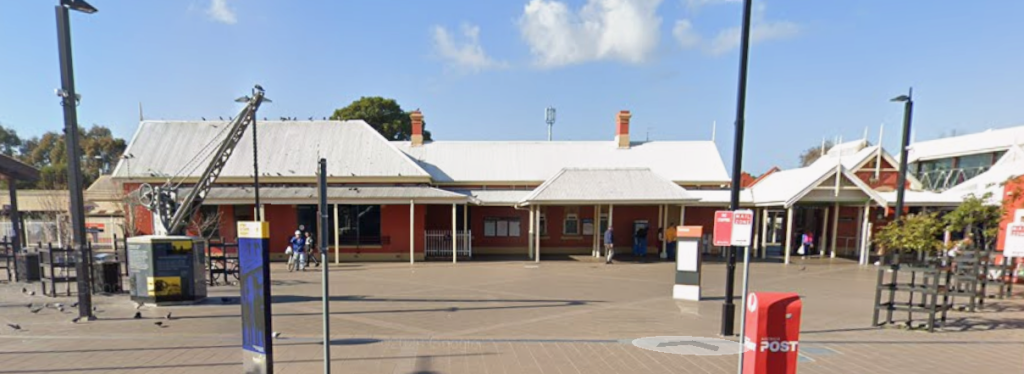
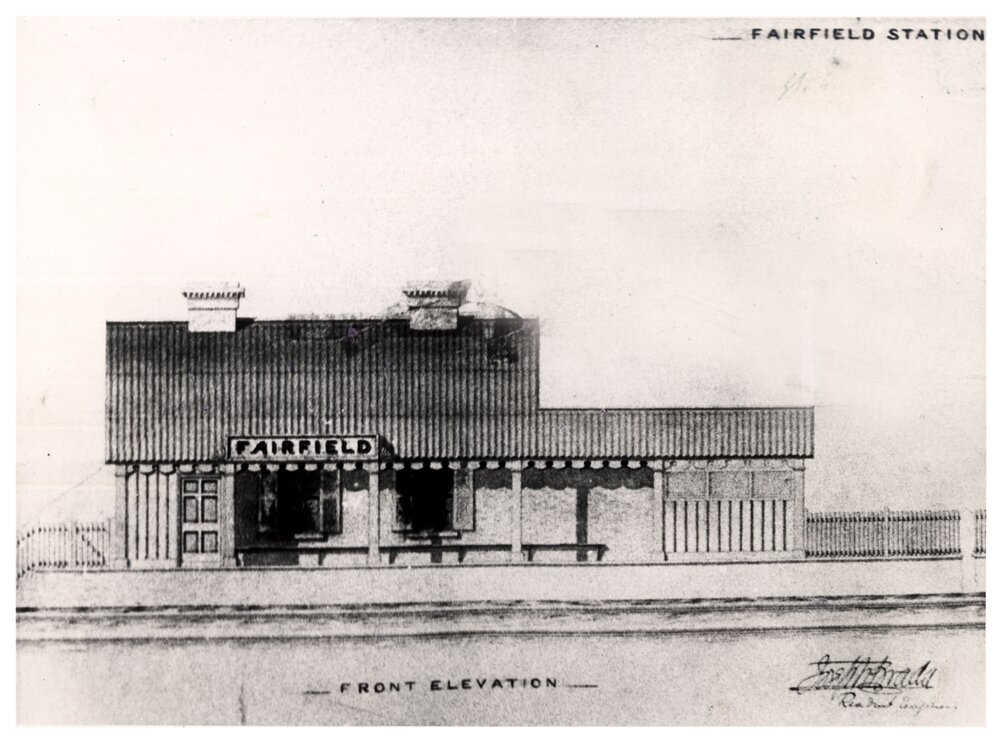
These are the original architectural plans for Fairfield Railway Station, built in 1856 by engineer John Whitton Brady. Remarkably, Fairfield is the oldest existing railway station in Australia, making it a site of exceptional historical significance. The plans illustrate the early vision for a transport hub that would serve the growing community and link Fairfield to Sydney’s expanding rail network.
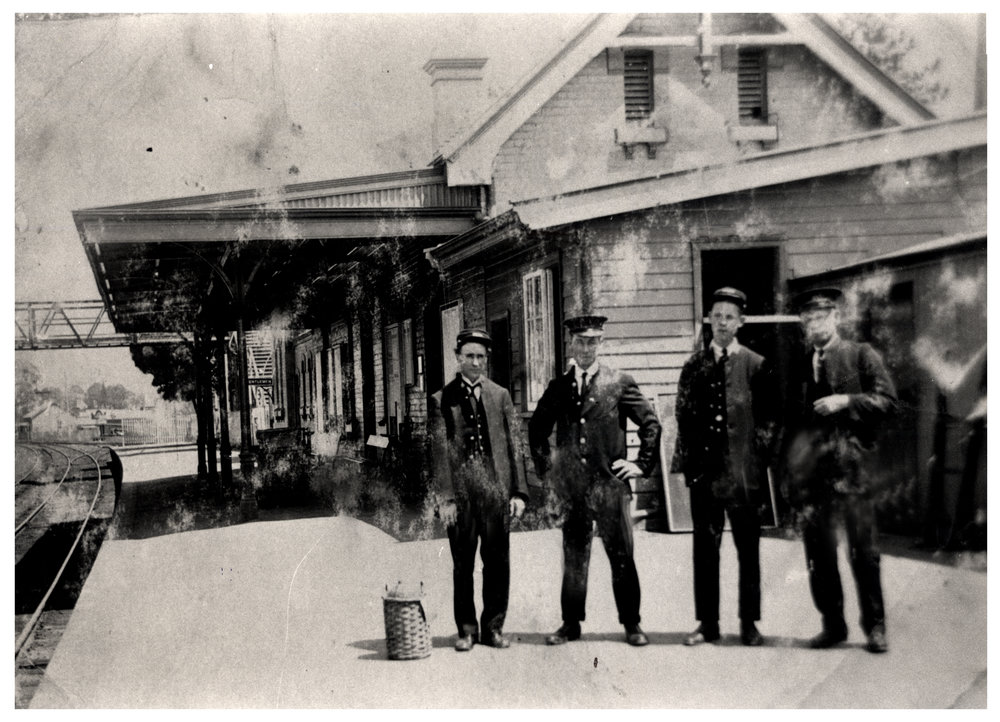
The Parramatta Junction (Granville – Liverpool line) was duplicated between 1891-93. This photograph shows unidentified station staff on platform for the recently completed “up” line.
Note the sidings in the background
Date – c1893
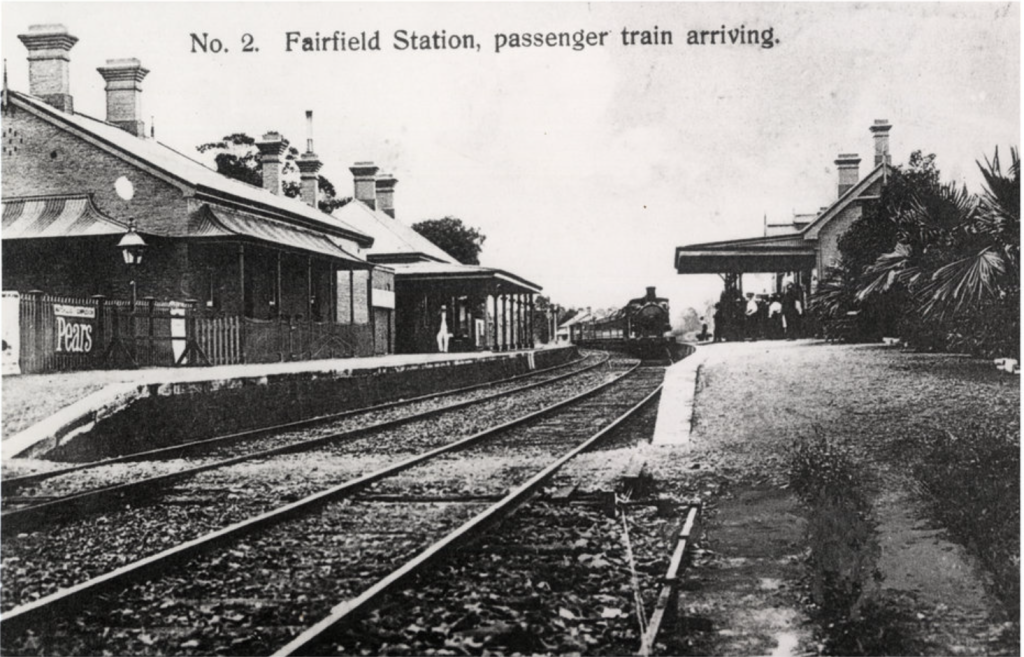
Platform No 1, or the “up” platform, Fairfield Railway Station.
Railway directions are usually described as up and down, with up being towards Sydney Terminal, or in absence, the next major city location. This convention is applied not only to the trains and the tracks, but also to items of lineside equipment and to areas near a track. Since British trains run on the left, the “up” side of a line is on the left when proceeding in the “up” direction.
The names originate from the early railways, where trains would run up the hills to the mines, and down to the ports.
Date – c1899
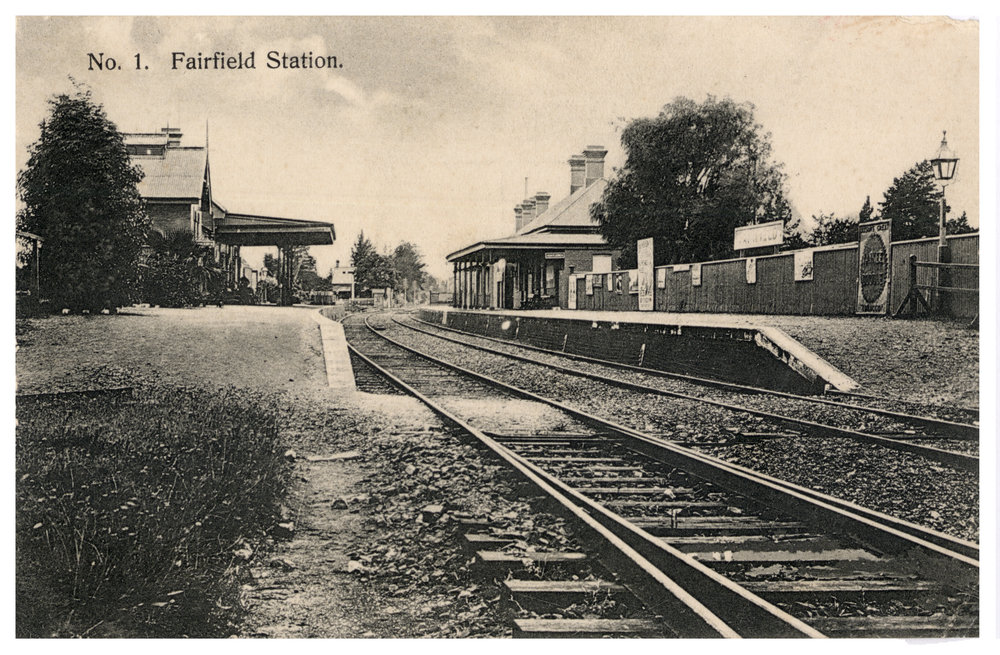
This is a photograph postcard of Fairfield Railway Station c.1899 looking north.
Date – c1899
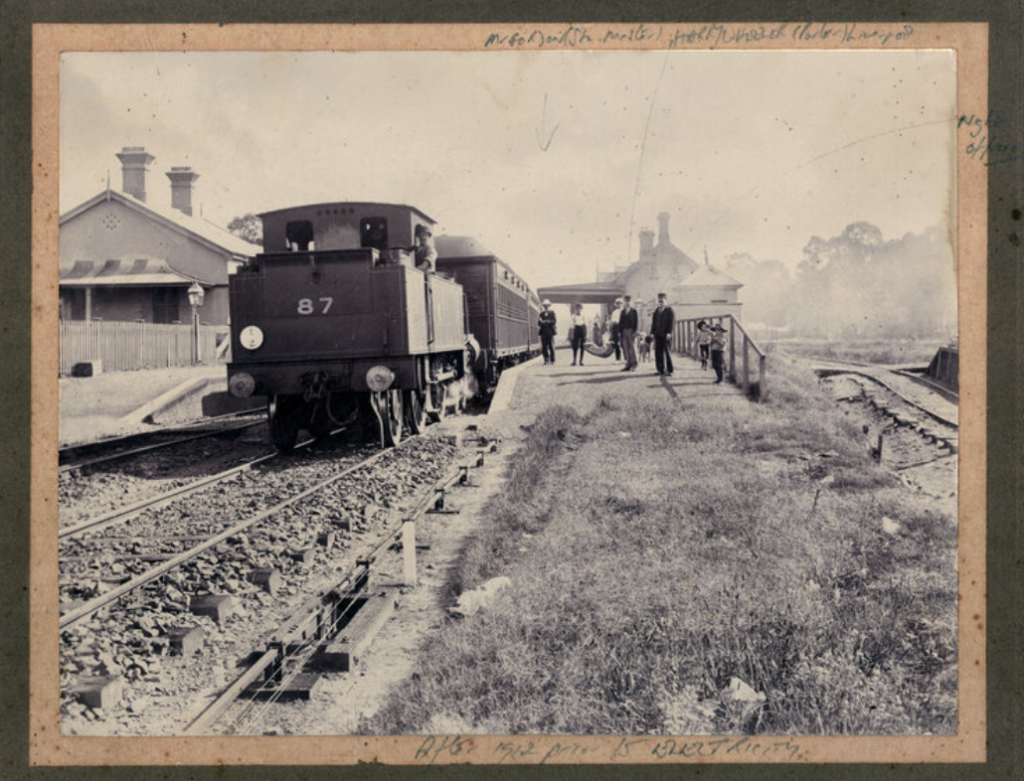
A view from the northern end looking south. This photograph was taken shortly after duplication of the Granville-Liverpool line. The station master’s cottage, on the left, was built in 1856 and remains as the oldest railway building in N.S.W. the building on the right was completed in 1891 when construction of the ‘up’ line began. The mail service for the Fairfield district was managed from the railway station with Roy Wheatley. He took over the agency in his shop in 1909. Railway staff in this photograph are carrying the mail bag. The track to Widemere Quarry can be seen on the right. The man closest to the train is Mr Gordon the station master. The centre man in the dark jacket is Harry Wheeler a Porter and the man on the far right in a dark jacket is the Night Officer
Date – c1900
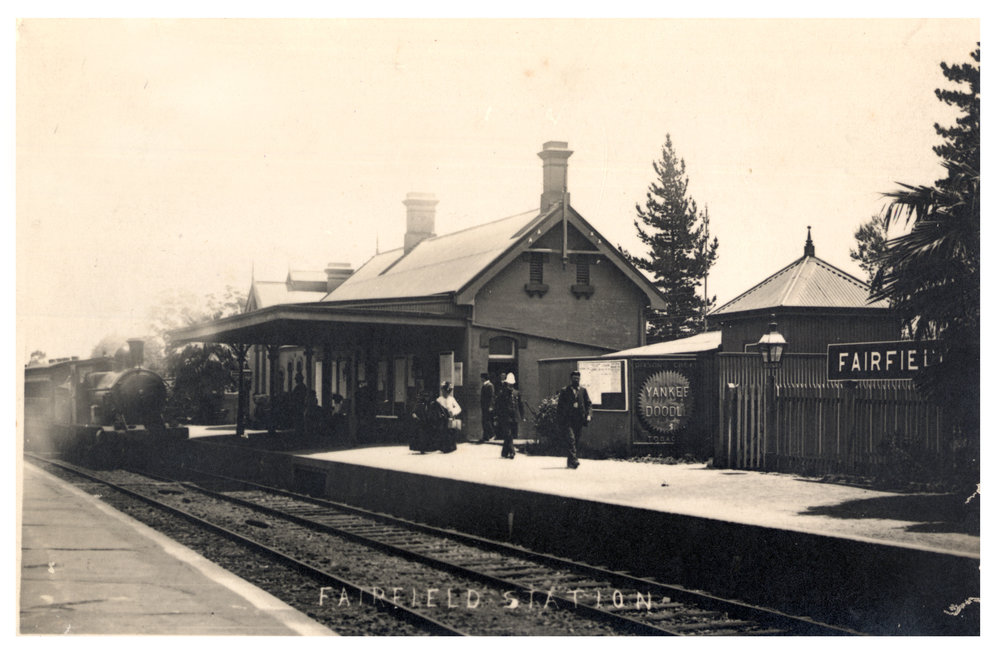
This postcard view of the station at Fairfield shows a steam train slowing to stop heading towards Liverpool.
The loco appears to be what become a Z12 class loco, built by Beyer, Peacock and Co, between 1876 and 1881. These were a 4-4-0 6 wheel tender locomotive.
Date – c1902
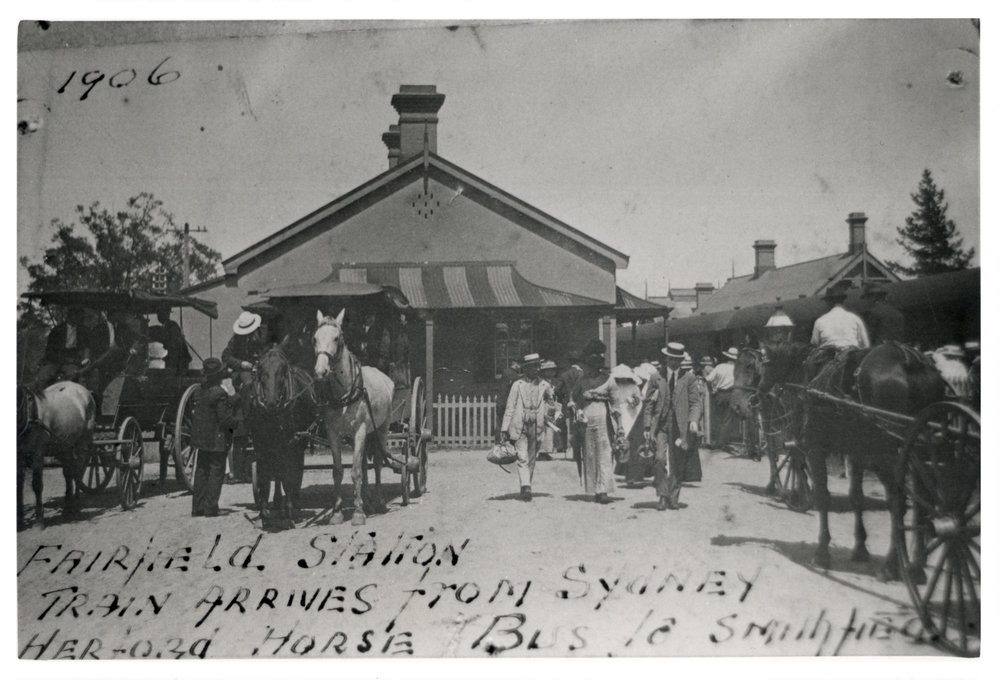
View from the northern end. 1906 was a jubilee year for Fairfield Station. The Station-master’s cottage (centre) built in 1856 is the only building remaining from the initial phase of construction of Sydney’s railway system. Fairfield was a popular weekend resort because the station was within easy walking distance, of boat sheds and “Pleasure Grounds” on Prospect Creek.
Date – c1906
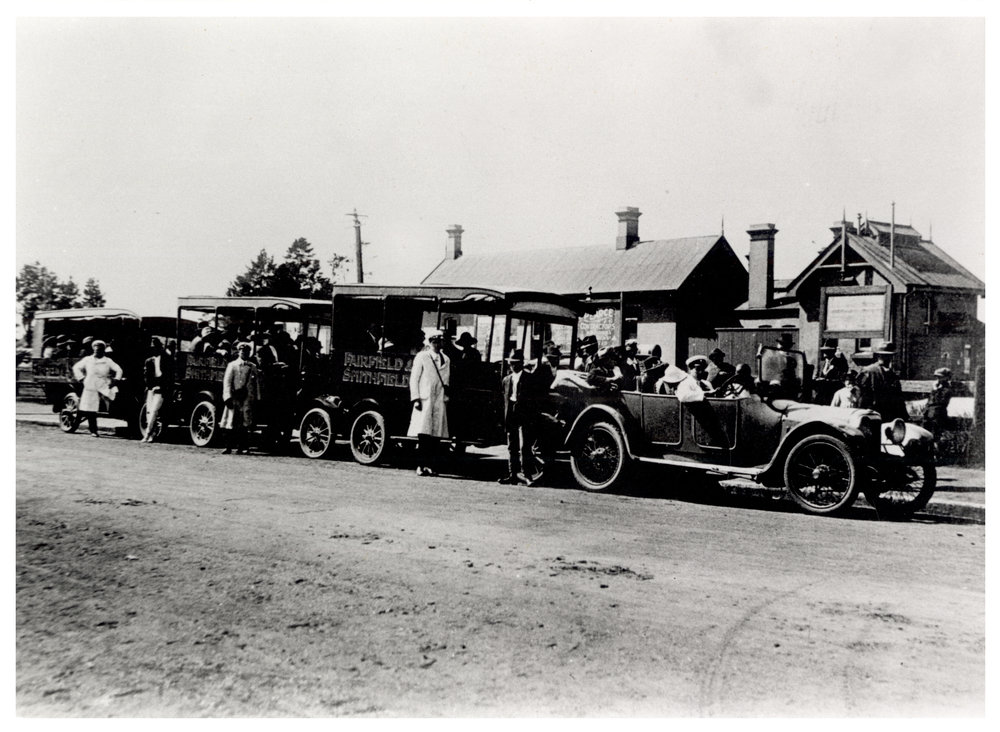
This photograph was taken on the Crescent, outside Fairfield Station, this is an image of the first motorised taxi service in Fairfield. Charlie Lawrence is driving the taxi and Stan Lawrence is standing next to the first bus. The four Lawrence Brothers ran a bus service from Smithfield to Fairfield Station between 1918 and 1922. During this period, the Lawrence Brothers switched from horse drawn to motor driven buses.
Date – c1922
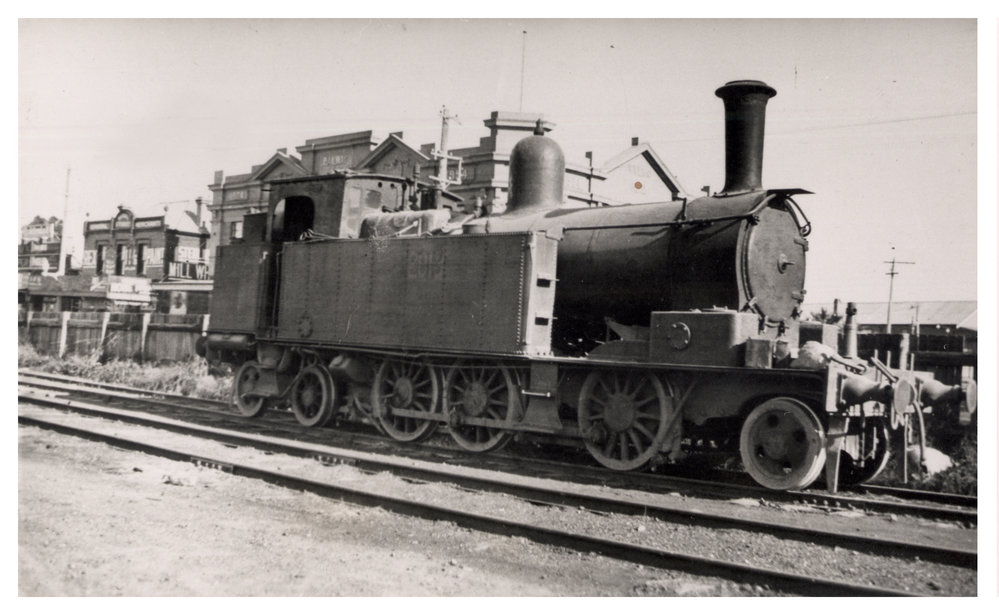
Tank engine 2013 on the tracks at Fairfield. In the background are what appear to be commercial buildings on the Fairfield Crescent.
2013 was a 2-6-4 tank engine purchased from the Government by Sydney and Suburban Blue Metal Quarries Ltd, to carry blue metal from Widemere Quarry (Prospect Hill) to Fairfield Railway Station. Originally built by Beyer Peacock (No. 2067) as an 0-6-0 tender engine it was converted to a tank engine in 1909. 2013 operated on the Widemere Quarry line 1933-1944.
Date – c1930-1940
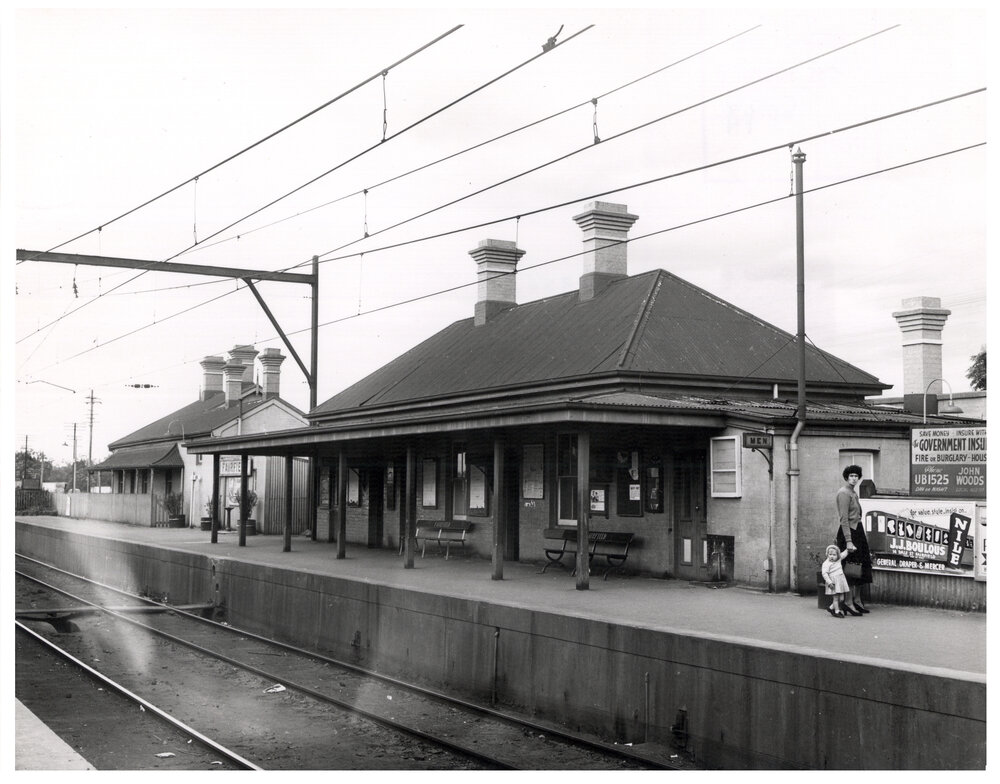
This photograph captures the Stationmaster’s residence (top right), built in 1856 alongside Fairfield Railway Station. Fairfield station is the oldest surviving railway building in New South Wales, marking an important chapter in the state’s transport history.
Date – c1950’s
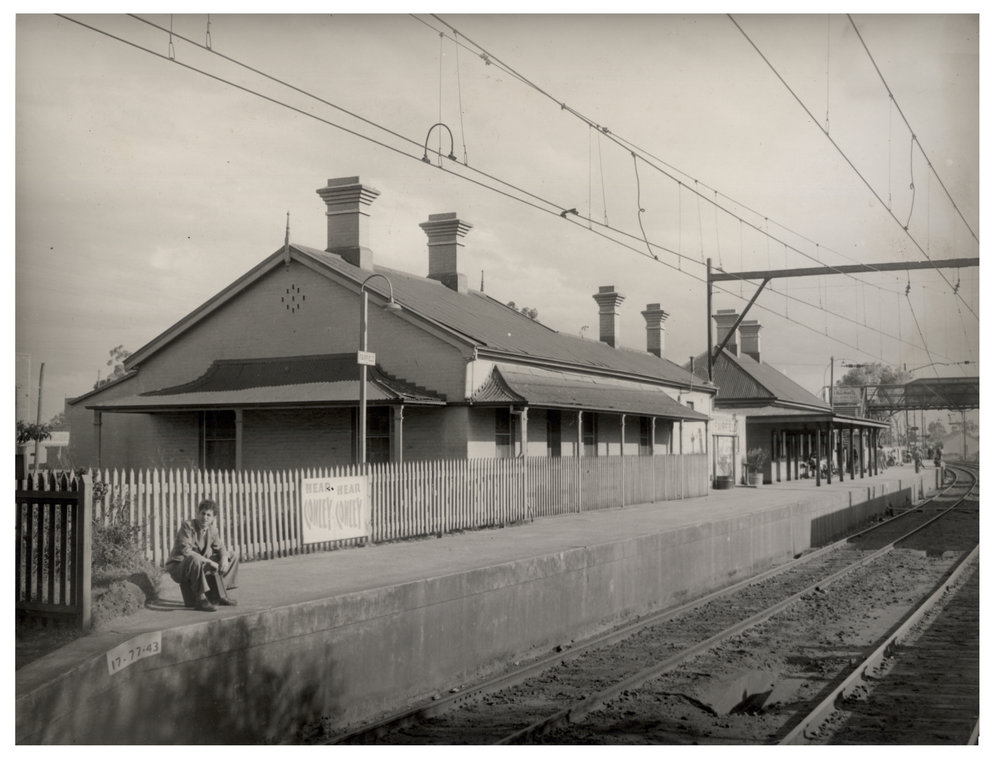
The “down” platform Fairfield Station. This photograph marks the centenary of Fairfield Station. The building on the left was the original station masters quarters. It is the oldest railway building in use in NSW.
Date – c1956
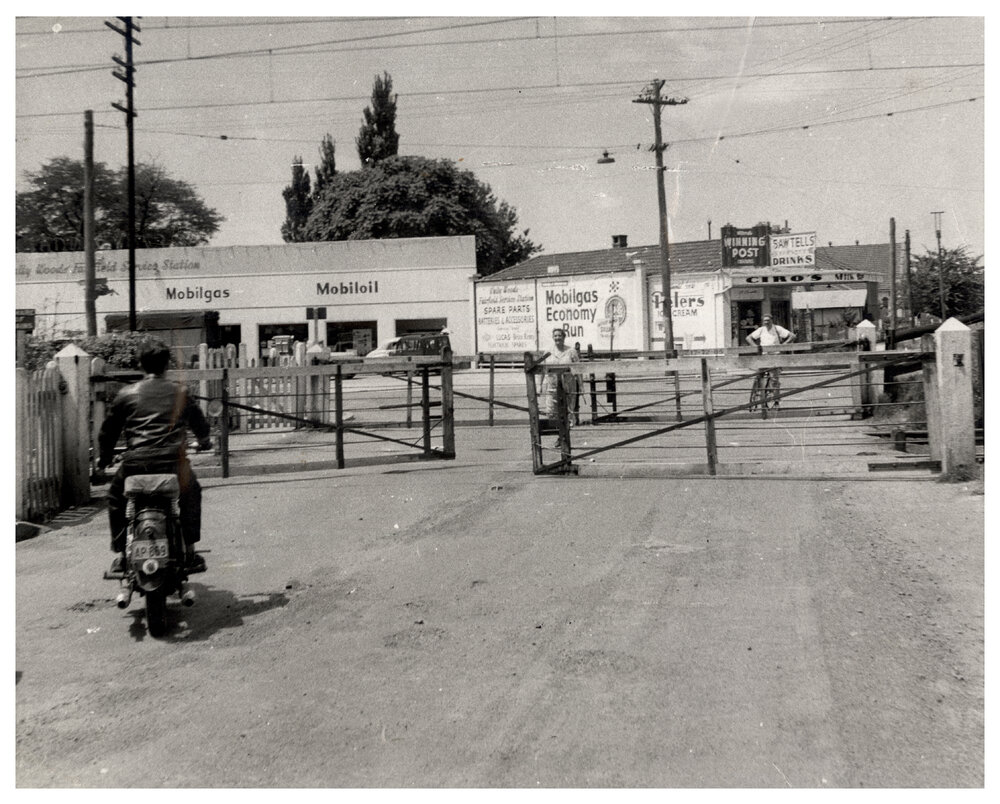
Vine St Level Crossing.
This crossing was just to the north of Fairfield Station, allowing movement from Vine St into Smithfield St (now Court Rd).
The gatekeeper (Mrs Jessie Shaw) is the figure standing in the centre of the photograph, closing the gate. The crossing closed in 1959 to make way for a railway overbridge that was officially opened by Minister Renshaw in August 1959.
Date – c1959
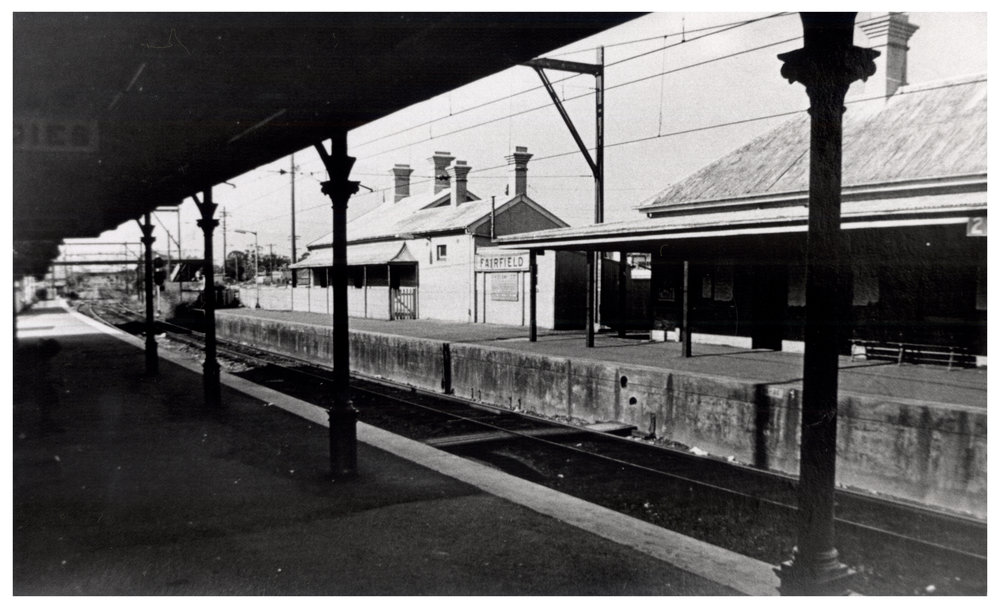
Photograph shows the Stationmaster’s residence (top right) that was built in 1856. Fairfield station is the oldest existing railway building in NSW.
Date – c1960’s
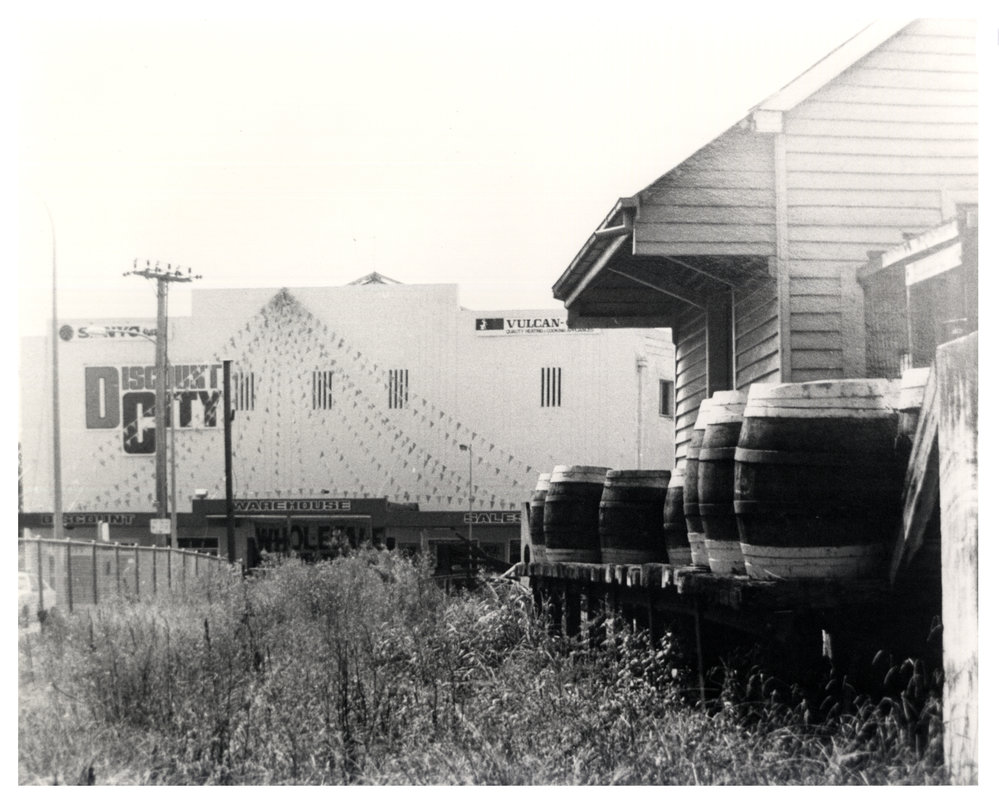
Goods shed at the railway goods yard. The former Crescent Theatre is on the left.
Date – c1975
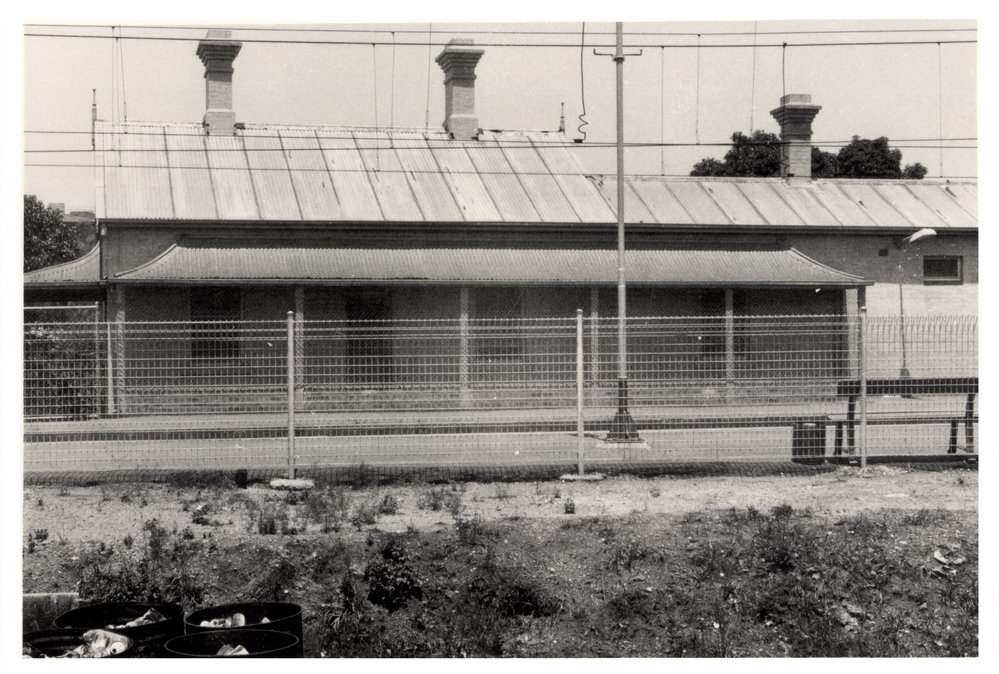
Photograph of the Stationmaster’s residence that was built in 1856. Fairfield station is the oldest existing railway building in NSW.
Date – unk
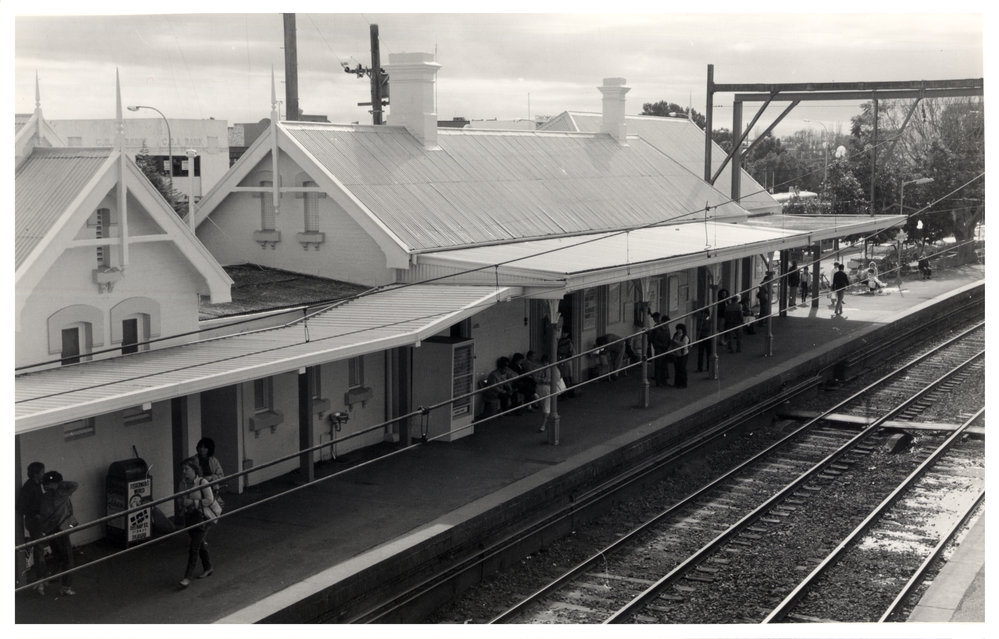
Fairifeld Station c1990-1992, with views from The Crescent and Dale street. Note the access board still in place to allow the station staff to cross the tracks between platforms.
Date – c1990
What we collect
- NSW Rail Items – Private Collection
- NSW Passenger Cars – Currently Stored
- A (A) – A
- A (A) – A
- Vintage Vehicles (Post War) – 1919 to 1930
- Vintage Parts (Vintage) – 1919 to 1930
- Vintage Parts (Post Vintage) – 1931 to 1945
- A (A) – A
- Veteran Car Parts (Pre War) – Before 1911
- A (A) – A
- A (A) – A
- A (A) – A